
A Booklist for Cantopop: Songs, History, Decline & the Golden Age 廣東歌的發展:閱讀清單

Anita Mui. Leslie Cheung. Alan Tam. Sam Hui. Beyond. The “Four Heavenly Kings” — Jacky Cheung, Andy Lau, Leon Lai, Aaron Kwok. One name after another, instantly recognisable.
Whether or not you speak Cantonese, if you grew up anywhere in East or Southeast Asia, or within the wider Chinese-speaking world, chances are you’ve heard these names before. You might even find yourself humming one of their signature songs without trying.
Whenever I travel in Southeast Asia, this pattern repeats itself. No matter their background or ethnicity, once people hear that I’m from Hong Kong, the conversation almost inevitably turns to Cantopop of the 1980s and 1990s. Once, in the Netherlands, I met a friend from Indonesia who could list Liza Wang’s classic songs and television dramas one by one, far more fluently than I could.
Meeting a kindred spirit abroad is, of course, a joy. But it is also quietly unsettling. Why is it that the cultural references we share most easily with international friends are still rooted in Hong Kong’s pop culture from three or four decades ago? Why does global recognition of Hong Kong music seem frozen in the era of cassette tapes, vinyl records, and television theme songs? In the 2020s, are we still relying on the same stars and sounds from the late twentieth century to explain ourselves to the world?
Among Hong Kong audiences, this discomfort is often answered with a familiar refrain:
「香港樂壇已死」 (“Hong Kong’s pop scene is dead”). This claim has been circulating since the mid-to-late 1990s, when commentators began to argue that Cantopop had passed its golden age. Some attributed the decline to industrial restructuring, shifting media ecologies, and the withdrawal of iconic stars; others linked it to broader social and cultural transformations around the 1997 handover. Repeated so frequently over the past thirty years, the phrase has hardened into a cultural reflex.
In 2021, lyricist 小克 (Siu Hak, Chang Tsz-hin) responded to this very sentiment by initiating a song project titled 《樂壇已死》 (“The Music Scene Is Dead”). Collaborating with producer 王雙駿 (Carl Wong), and singers 吳林峰 (Ng Lam Fung) and 柳應廷 (Jer Lau), the song, performed by the so-called 「樂壇已死大合唱團」(The “Music Scene Is Dead” Collective), directly confronted anxieties about the present and future of Hong Kong’s music scene.
Criticism, especially when reduced to a catchy slogan, is easy. One of the defining problems of our time is the overuse of buzzwords and labels, terms repeated until they lose their analytical power, standing in for genuine engagement and understanding. Instead of uncritically repeating the phrase “Hong Kong Cantopop is dead,” perhaps it is time to slow down and look again: at its history, its transformations, and its ongoing debates.
This reading list is offered as a starting point, a way to revisit Cantopop’s past, understand its present, and think more carefully about what it might become.
The following booklist is organised into language‑based and thematic categories:
Reading Cantopop in English
Reading Cantopop in Chinese
Cantopop Histories and Development
Cantopop as Social Witness
Before Cantopop: Early Cantonese Popular Music
Cantopop from the 1970s to the 2000s
Responding to the “Cantopop Is Dead” Narrative
Transmission, Legacy, and the Future
Reading Cantopop in English
These English-language studies serve as entry points for international readers seeking to understand Cantopop beyond nostalgia, positioning Hong Kong popular music within global, regional, and theoretical frameworks.
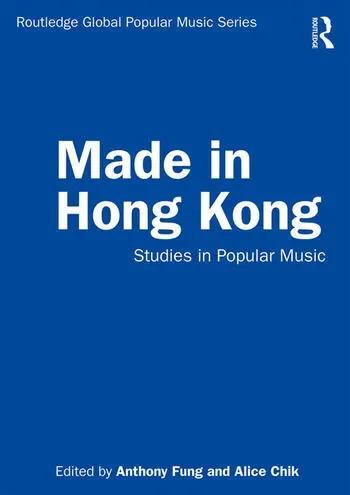
Image from Routledge
Made in Hong Kong: Studies in Popular Music
Anthony Fung, Alice Chik (2020)
This edited volume introduces the study of popular music in Hong Kong across the twentieth and twenty-first centuries. Bringing together essays by leading scholars, it examines key figures, genres, styles, and social contexts of Hong Kong popular music, with sections on Cantopop’s history and legacy, genre and identity, significant artists, and contemporary developments.
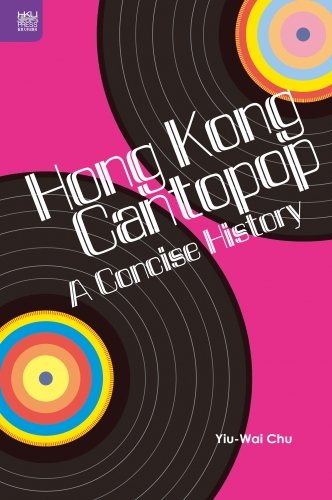
Image from OpenEdition Journals
Hong Kong Cantopop: A Concise History
Stephen Yiu-wai Chu (2017)
This book traces the development of Cantopop from its origins in the 1950s to the early twenty-first century, situating the genre within the formation of Hong Kong identity and its changing social and political conditions. It examines Cantopop’s rise, its relationship to Hong Kong culture, and its challenges since the late 1990s, including shifts in the music industry and the growing influence of Mandapop.
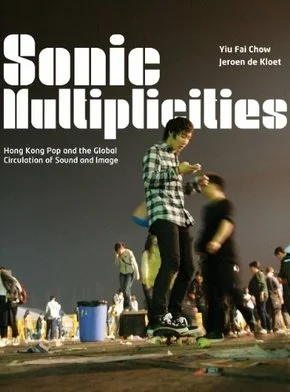
Image from Intellect Books
Sonic Multiplicities: Hong Kong Pop and the Global Circulation of Sound and Image
Chow Yiu Fai, Jeroen de Kloet (2013)
Using Hong Kong popular music as its point of departure, this book examines the production, circulation, and consumption of sound and image in a global context. Drawing on empirical research and industry experience, the authors analyse how music travels across borders and how cultural, material, and geopolitical forces shape popular music practices.
Reading Cantopop in Chinese
Before turning to the booklist, a brief historical clarification is necessary. What we understand today as “Cantopop,” a distinctly modern, commercially produced Cantonese popular music, did not emerge until the 1970s.
In the 1950s and 1960s, Cantonese popular songs were shaped largely under the influence of Shanghai shidaiqu (時代曲), and many composers, lyricists, and performers came from the world of Cantonese opera. These early forms of Cantonese popular music laid important foundations, yet they differed structurally, industrially, and aesthetically from what would later be recognised as modern Cantopop.
The television theme song 《啼笑姻緣》 (The Fatal Irony, 1974) is widely regarded as a watershed moment, marking the rise of locally produced Cantonese songs tailored to Hong Kong’s emerging television culture. From this point onward, Cantopop developed as a distinct cultural and industrial formation.
The following Chinese-language books form the backbone of Cantopop scholarship, criticism, and cultural memory. While many do not have official English titles, brief English glosses are provided to guide non-Chinese readers.
Cantopop Histories and Development
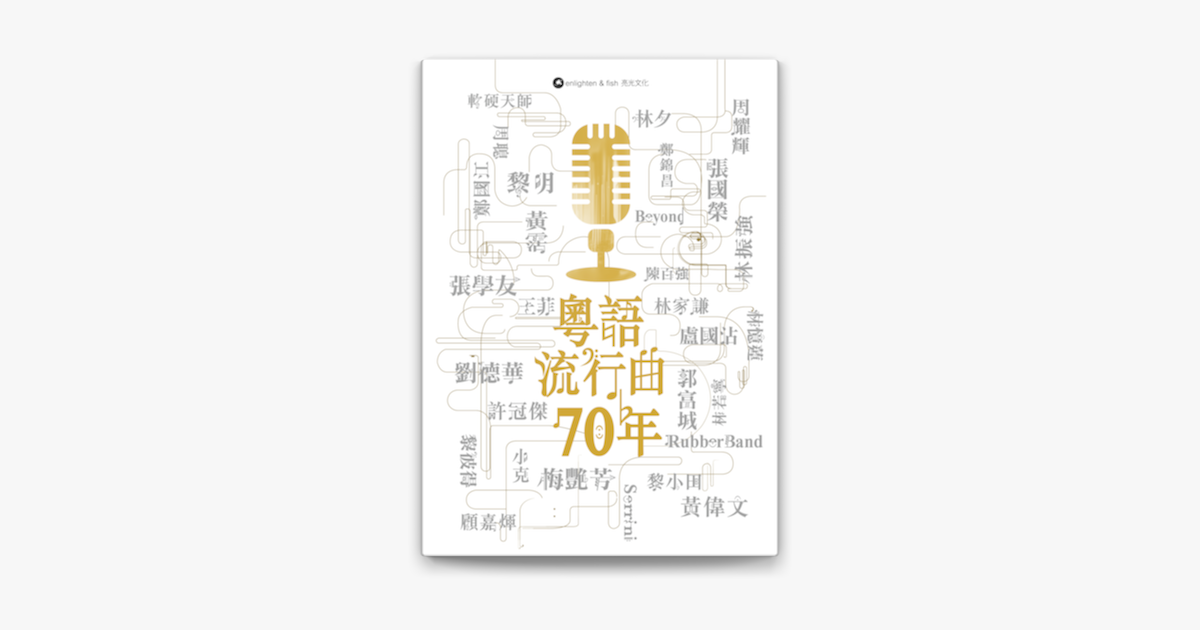
Image from Apple Books
《粵語流行曲七十年》
Seventy Years of Cantopop
黃志華 Wong Chi-wah, 彭得豐 Allan Pang, 蔡梓淇, 廖志強, 黃念欣, 馮應謙, 何穎琪, 朱耀偉 Stephen Yiu-wai Chu, 留情 (2024)
This volume brings together scholarly contributions from the ‘Seventy Years of Cantopop’ symposium organised by the Hong Kong Studies Programme at the University of Hong Kong. Contributors revisit the development of Cantonese popular music and reflect on its transformations and cultural influence over time.
香港大學香港研究課程主辦《粵語流行曲七十年》研討會,邀請相關專家學者重新思考粵語流行曲的發展及其多年來的轉化與影響。本書文章主要由在《粵語流行曲七十年》研討會發表的論文結集而成。
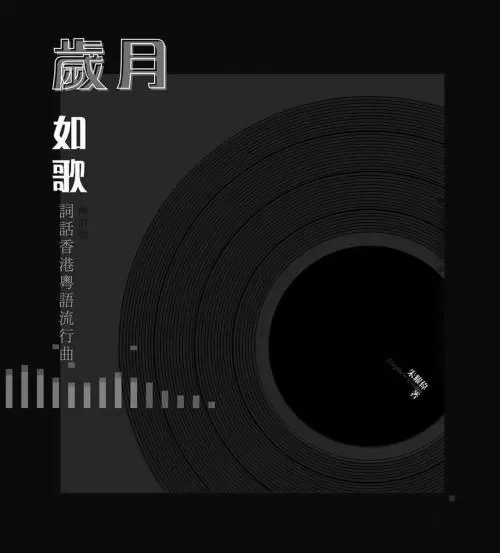
Image from My Book One
《歲月如歌:詞話香港粵語流行曲》(增訂版)
Lyrics of Your Life: The Transformation of Hong Kong Cantopop
朱耀偉 Stephen Yiu-wai Chu (2019)
Approaching Cantopop through its lyrics, this book revisits the development of Cantonese popular songs from the 1970s and 1980s to the present, examining how they have borne witness to the rises and falls of Hong Kong society over time.
朱耀偉教授從歌詞出發,邀請多位重要填詞人共同回顧粵語流行曲的發展,探討其如何見證香港社會從七八十年代至今的高低起伏。
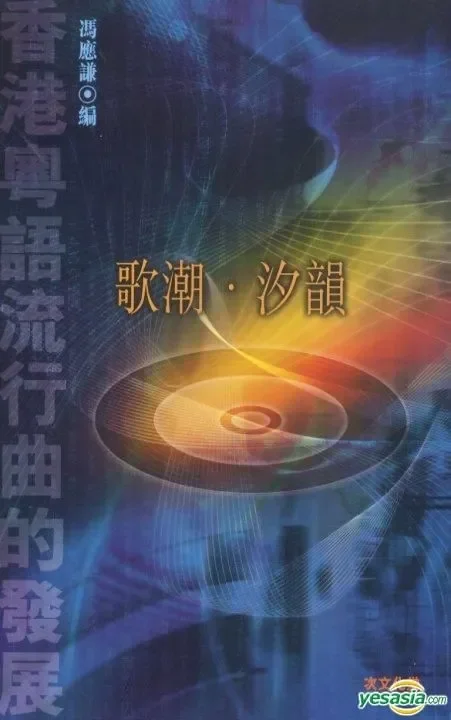
Image from YesAsia
《歌潮・汐韻 : 香港粤語流行曲的發展》
Riding a Melodic Tide: The Development of Cantopop in Hong Kong
馮應謙 Anthony Fung (2009)
This edited volume offers a comprehensive examination of the development of Cantonese popular music in Hong Kong from historical, cultural, and industrial perspectives. Bringing together contributions by scholars and practitioners, the book discusses early Cantonese film songs, the rise of Cantopop in the 1970s, transformations in lyrics and musical practices around the 1997 handover, and issues of localisation, globalisation, and cross-cultural hybridity. It highlights how media technologies, market structures, and creative practices collectively shaped Cantopop as both a cultural form and an industrial system.
本書為一本文集,從歷史、文化研究與產業角度,系統性回顧香港粵語流行曲的發展與變遷。內容涵蓋早期粵語電影歌曲、七十年代粵語流行曲的興起、九七前後歌詞與音樂文化的轉向,以及全球化、本土化與跨文化融合等議題。多位學者與業內人士從不同切入點,分析媒介科技、音樂市場、創作實踐與文化身份如何共同塑造香港粵語流行曲的面貌,勾勒出其作為一種文化形式與產業體系的複雜性。
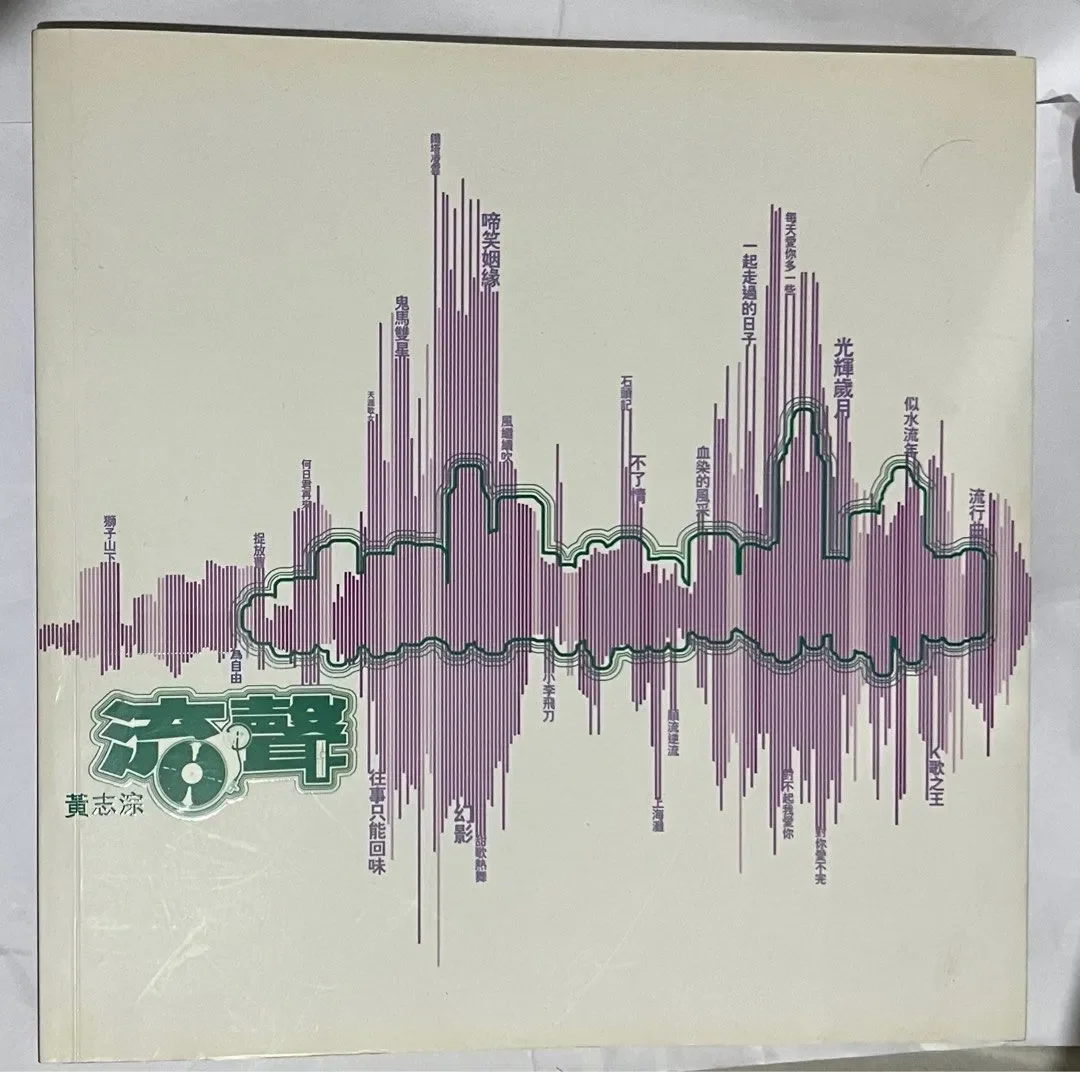
Image from @panda2046 on Carousell
《流聲》
Flowing Melody
黃志淙 Elvin Wong Chi Chung (2007)
This book traces the trajectory of Cantonese popular music from the 1970s to the 1990s, covering its emergence, its golden age in the 1980s, and the structural crisis faced by Hong Kong’s recording industry in the 1990s. Particular attention is paid to the period from the late 1990s to the early 2000s, examining how the music scene sought transformation amid decline and industrial uncertainty.
本書梳理廣東歌自七十年代至九十年代的發展歷程,從粵語流行曲的興起、八十年代的黃金時期,到九十年代香港唱片工業面臨的結構性危機。作者特別關注九十年代末至千禧年間,香港樂壇如何在衰退中尋找轉型契機,呈現產業變動、音樂風格與文化環境之間的互動關係。
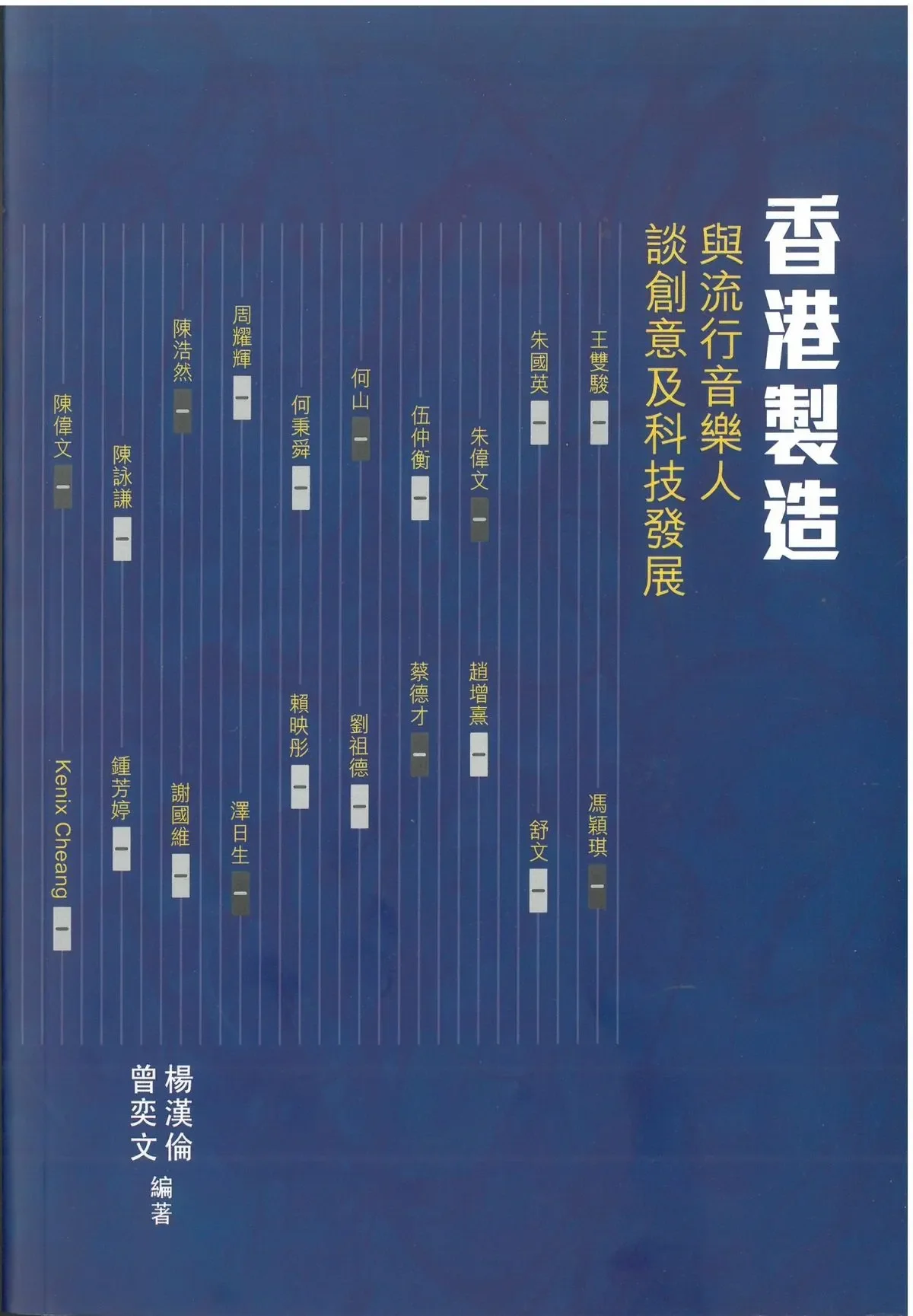
Image from My Book One
《香港製造:與流行音樂人談創意及科技發展》
Made in Hong Kong: Conversations with Pop Musicians on Creativity and Technological Change
楊漢倫 Yang Hanlun, 曾奕文 Edmond Tsang (2024)
Based on interviews with twenty Hong Kong music practitioners, this book documents how technological change, from analogue recording to digital platforms, has reshaped music production, creativity, and labour in the local industry.
作者訪問二十位香港流行音樂創作人,從錄音技術、製作模式到表演形式,細緻呈現本地音樂工業在科技變革下的轉型與反思。
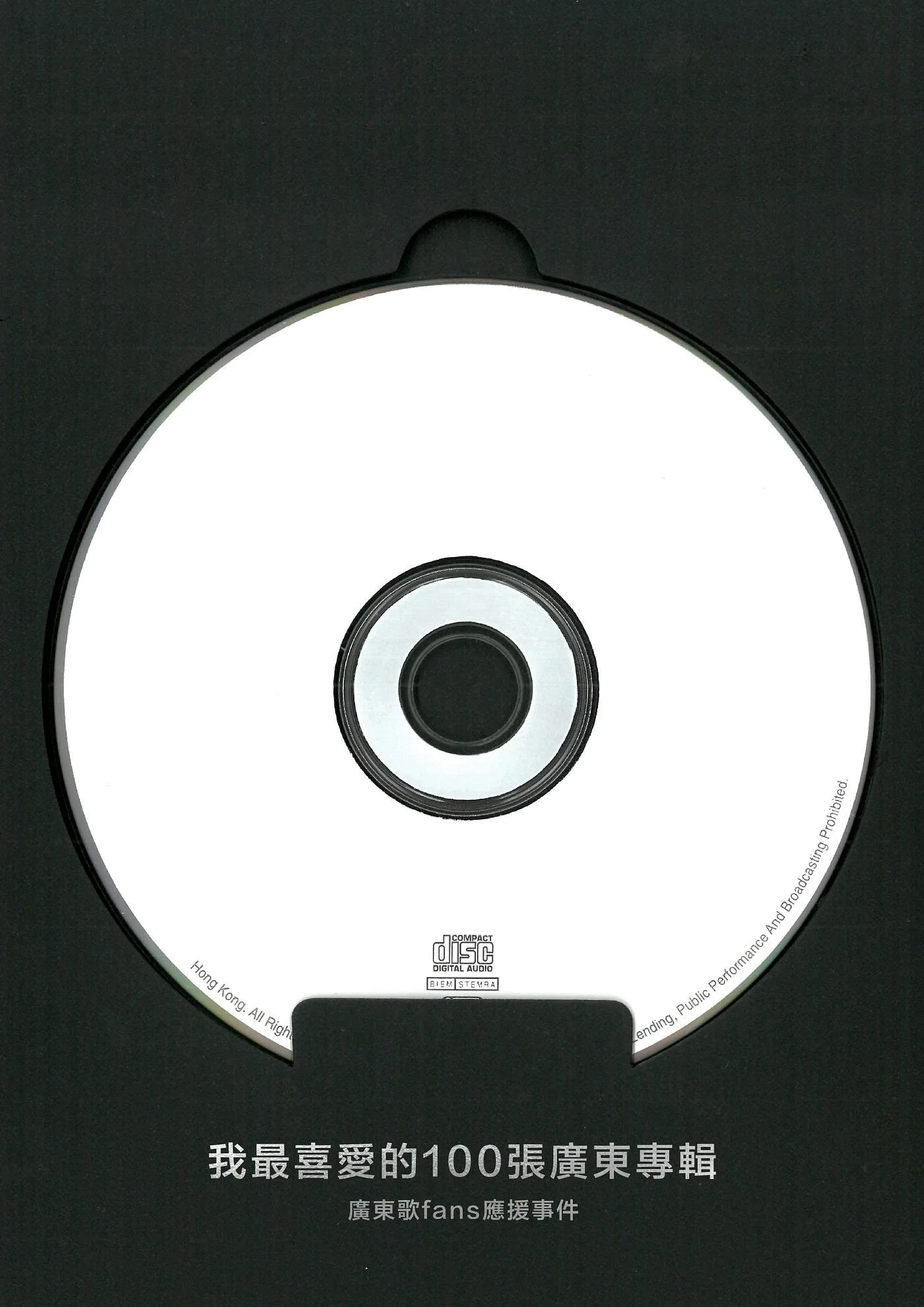
Image from 廣東歌fans應援事件 Cantopop Fans
《我最喜愛的廣東專輯:廣東歌fans應援事件》
My Favourite Cantonese Albums: Fan Practices and Acts of Support
鐘承志, 許志威 (2017)
Written from the perspective of devoted fans, the authors select one hundred favourite Cantonese albums from personal collections of over three thousand records, reflecting on the development and transformations of Hong Kong’s music scene over more than three decades.
兩位作者以樂迷第一身角度,從三千多張私人收藏中挑選最喜愛的一百張廣東專輯,回顧三十多年來香港樂壇的興衰。
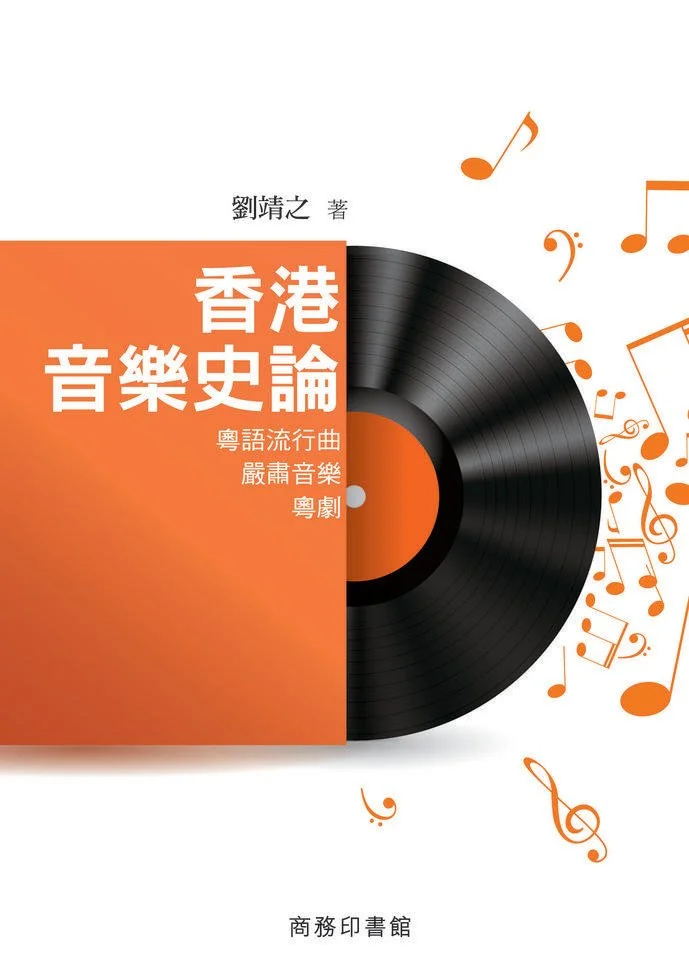
Image from My Book One
《香港音樂史論:粵語流行曲.嚴肅音樂.粵劇》
A Critical History of Music in Hong Kong: Cantopop, Serious Music and Cantonese Opera
劉靖之 Liu Ching-chih (2013)
Examining Cantopop, serious music, and Cantonese opera, this book traces the development of Hong Kong’s musical life from the mid-nineteenth century to the early twenty-first century.
本書從粵語流行曲、嚴肅音樂及粵劇三個面向,論述香港從十九世紀中到二十一世紀初百多年來的音樂發展歷程。
Cantopop as Social Witness
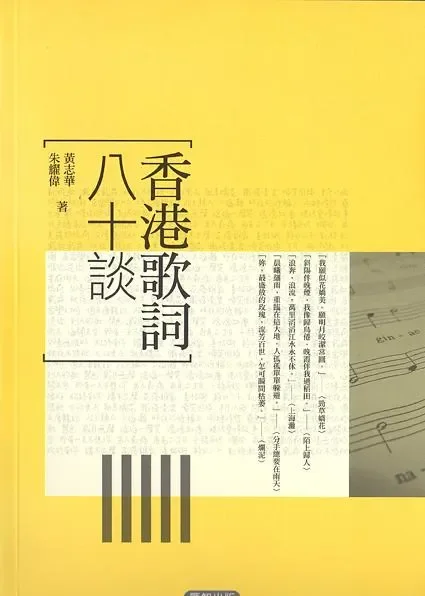
Image from eslite.com
《香港歌詞八十談》
Eighty Talks on Hong Kong Popular Lyrics
黃志華 Wong Chi-wah, 朱耀偉 Stephen Yiu-wai Chu (2011)
Through selected song lyrics spanning nine decades, this book reads Cantopop as a cultural archive of Hong Kong history. Each chapter situates songs within specific social and political moments, demonstrating how lyrics function as collective memory.
本書以歌詞導賞方式,選讀橫跨九個年代的粵語流行曲,見證香港在不同歷史時期的社會變遷與文化心態。
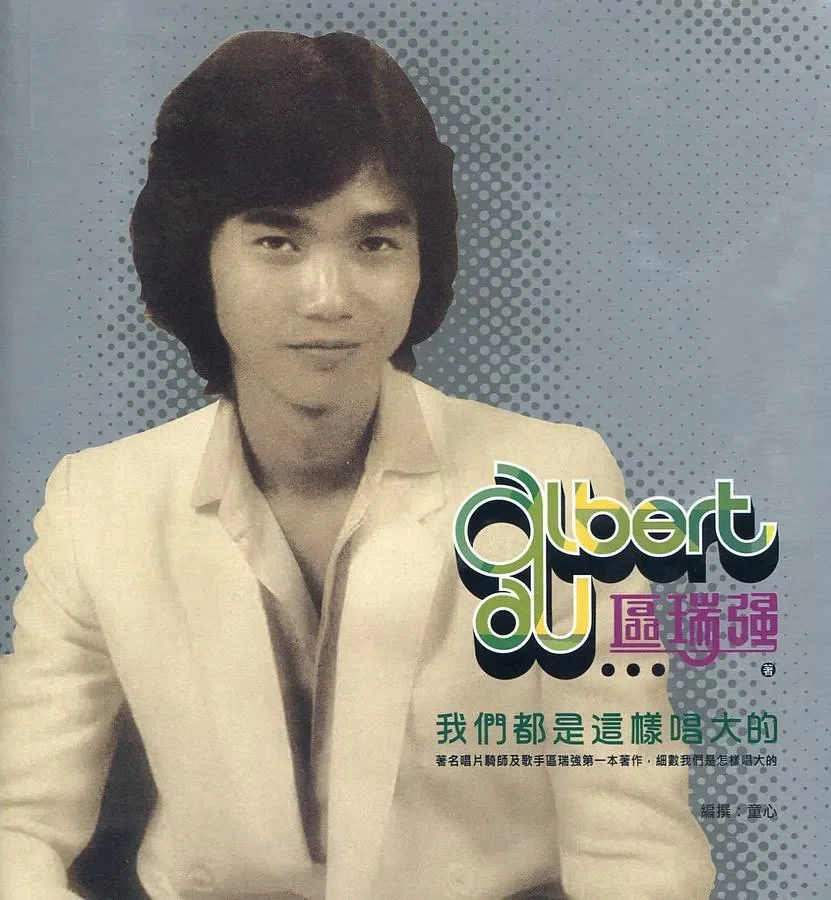
Image from eslite.com
《我們都是這樣唱大的》
We Grew Up Singing Like This
區瑞強 Albert Au (2016)
Curated by radio DJ and singer Albert Au, this book reflects on eighteen classic Cantonese songs through a personal and reflective lens. Blending music commentary with anecdotes about singers, musicians, and radio culture, it reconstructs the shared listening experiences through which generations of Hong Kong audiences grew up with Cantopop.
電台主持兼歌手區瑞強精選十八首廣東經典歌曲,透過個人經驗與回憶,分享歌曲背後的故事與情感。書中結合音樂評論、業界掌故與文化記憶,重構一代香港人「聽歌成長」的共同經驗,帶讀者回望廣東歌的黃金年代。
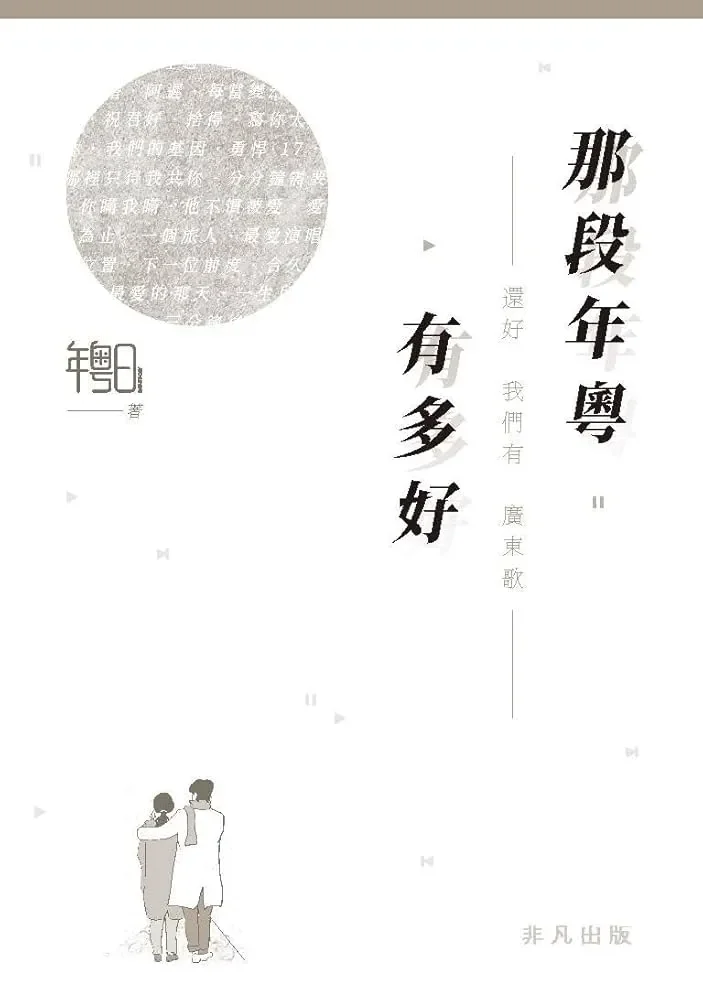
Image from Amazon
《那段年粵有多好:還好我們有廣東歌》(增訂版)
Those Years of Cantonese Songs — Thankfully, We Still Have Cantopop
年粵日 Day Day Cantonpop (2025)
Organised around different emotional stages of life, this book reflects on how Cantonese songs accompany personal growth. Through the pairing of song lyrics and illustrations, the author revisits moments and memories carried by music.
作者以人生不同情感階段為引旨,透過廣東歌與插畫,回顧那些被音樂承載的年月。
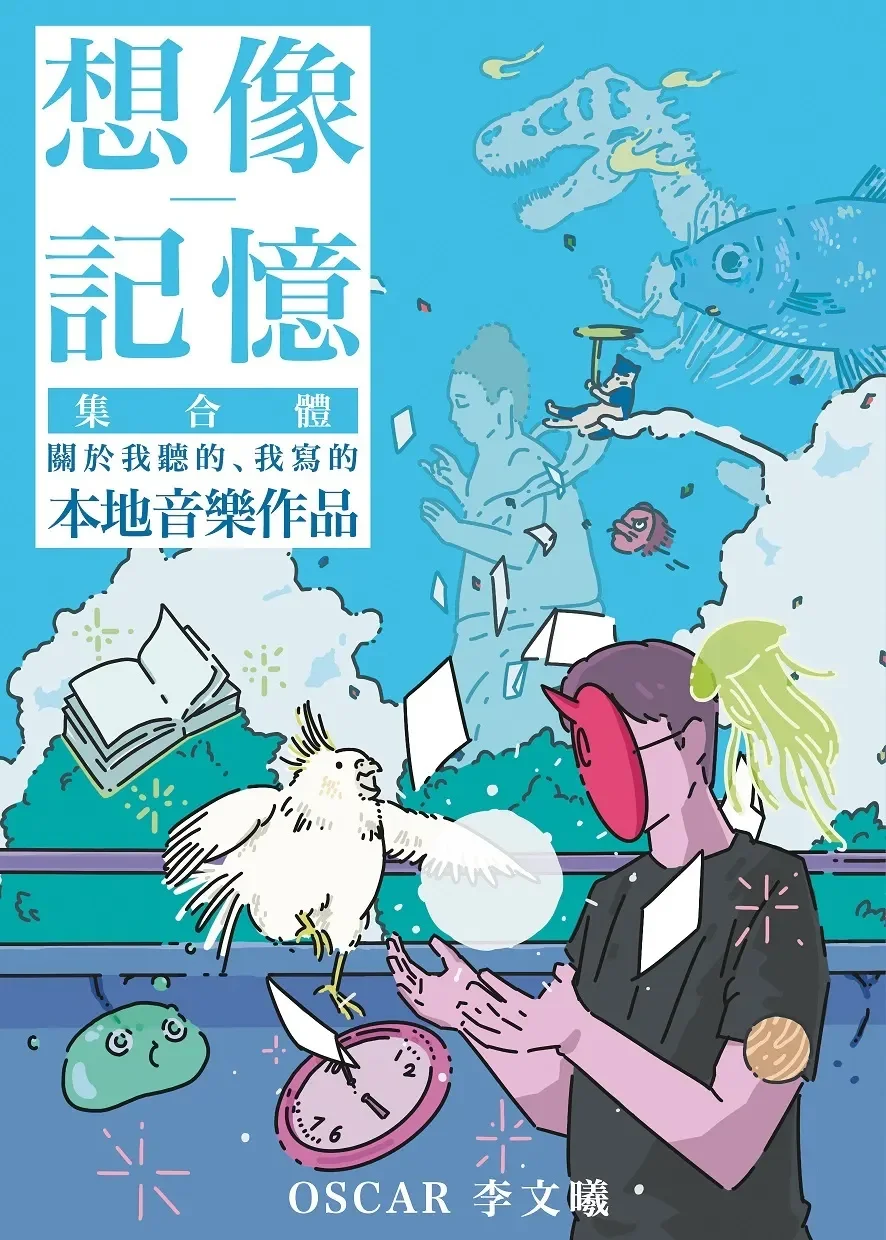
Image from My Book One
《想像.記憶.集合體:關於我聽的、我寫的本地音樂作品》
Imagination, Memory, Collectivity: On the Local Music I Listen to and Write About
李文曦 Oscar Lee Man-hei (2022)
Written by a radio DJ and lyricist, this book reflects on Cantopop as a shared emotional and imaginative space through songs that shaped collective memory.
作者透過多首伴隨成長的粵語流行曲,與讀者回顧記憶、失落、想像與希望。

Image from Star Ferry Books
《我的九十年代歌詞療癒誌》
My 1990s Lyric Therapy Journal
游思行 Jessie You (2025)
A lyricist’s retrospective on the 1980s and 1990s, examining how Cantopop lyrics offered emotional refuge during moments of uncertainty.
作者游思行為香港資深填詞人。以八九十年代廣東歌為主軸,書寫歌詞如何陪伴香港人走過迷惘與失落。
Before Cantopop: Early Cantonese Popular Music

Image from HKTKWW
《本可成佳話:粵語老歌故事及觀賞》
What Could Have Been a Fine Story: Tales and Appreciation of Early Cantonese Songs
黃志華 Wong Chi-wah (2023)
Written by a veteran critic of Cantonese popular songs, this book focuses on early Cantonese songs from the mid-twentieth century and earlier. Through historical research and visual archives, it reconstructs a largely forgotten soundscape that predates the Cantopop boom of the 1970s and 1980s, reminding readers that Cantonese popular music did not emerge overnight.
作者為資深中文歌曲評論人,上編介紹過百首半世紀以至八九十年前的粵語老歌,並附有珍貴圖片與影音資料;下編收錄十六篇有關粵語老歌的論述文章,重構早期粵語流行曲的文化脈絡。
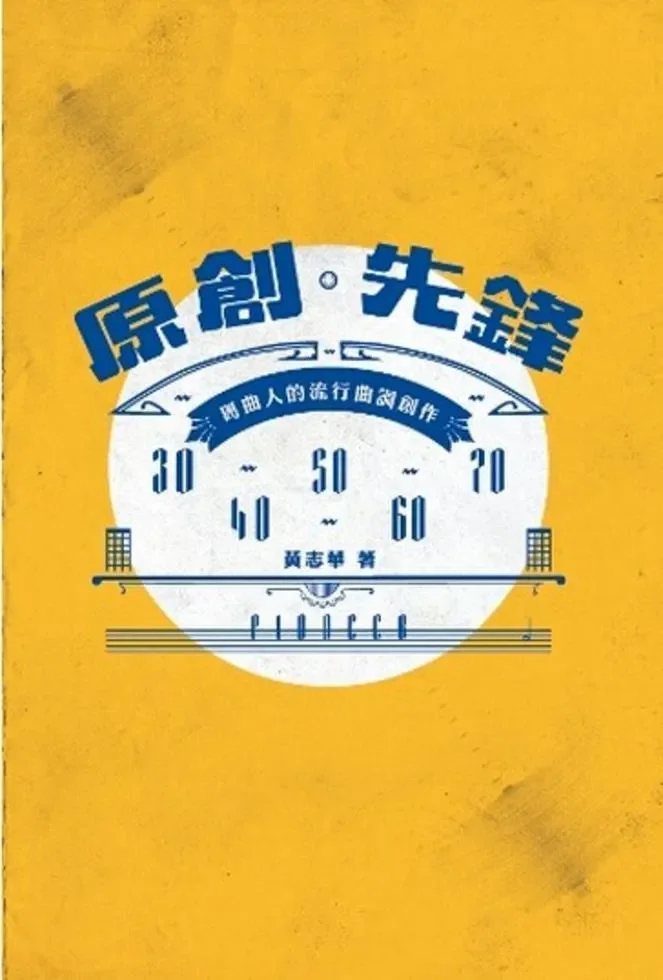
Image from My Book One
《原創先鋒:粵曲人的流行曲調創作》
Pioneers: Popular Songs Composed by Cantonese Opera Writers
黃志華 Wong Chi-wah (2014)
This book traces how practitioners rooted in Cantonese opera contributed to the formation of early Cantonese popular music. By examining melodic structures, compositional techniques, and stylistic transitions from the 1930s to the 1970s, it offers a musicological foundation for understanding Cantopop’s emergence.
本書為《早期香港粵語流行曲(1950–1974)》的修訂版,上編探討三十至七十年代粵語流行曲的演變,下編分析曲式、技法與創作風格,揭示粵曲人如何塑造粵語流行曲的早期面貌。
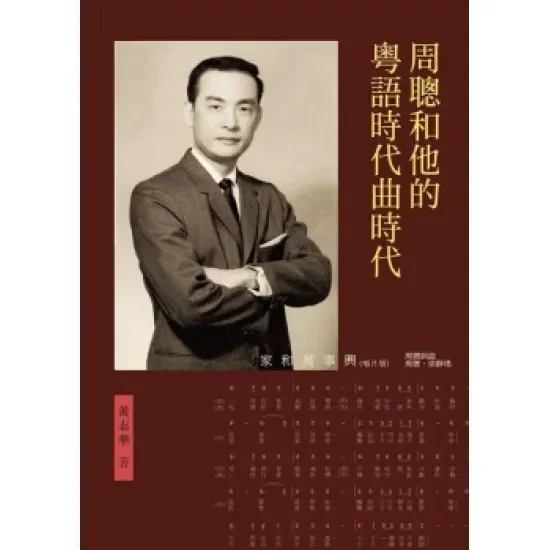
Image from Cosmos Books
《周聰和他的粵語時代曲時代》
Chau Chung and His Cantonese Shidaiqu Era
黃志華 Wong Chi-wah (2019)
Chau Chung, described by James Wong as “the father of Cantonese pop,” was a central figure in the formative years of Cantonese popular music. Focusing on the period from 1952 to 1963, when record companies first began consciously producing and marketing “Cantonese Shidaiqu” (粵語時代曲), this study reconstructs Chau’s activities as a composer, lyricist, performer and radio host. Through archival research, the book highlights Chau’s role as a creative driving force in this emerging genre.
周聰是早期粵語流行曲的重要代表人物,被填詞人黃霑尊稱為「粵語流行曲之父」。本書記錄他於1952至1963年間的創作與活動,其時唱片公司開始有意識製作並標榜唱片為「粵語時代曲」,是粵語歌發展的重要里程。而能曲能詞、兼任作曲、填詞、演唱及電台節目主持的周聰正是當中的靈魂人物。本書所述正是他在這段關鍵時期的創作與文化位置。
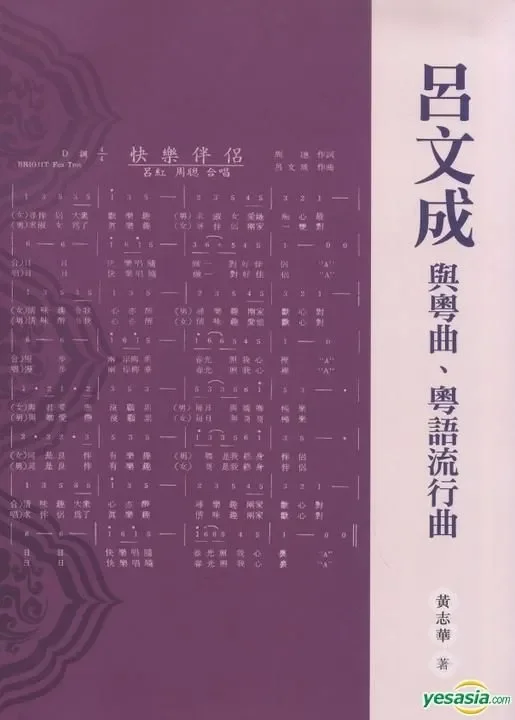
Image from YesAsia
《呂文成與粵曲、粵語流行曲》
Lui Man‑sing: Cantonese Opera and Cantonese Popular Song
黃志華 Wong Chi-wah (2012)
Lui Man‑sing, celebrated as a master of Cantonese instrumental music, also played a pivotal role in Cantonese opera performance, recording culture, and the early development of Cantonese popular songs. Drawing on extensive archival and discographic research, this study reconstructs his musical activities from the 1920s to the 1960s and examines his creative experiments in early Cantonese modern songs. Through analysis of nearly thirty compositions, the book argues for Lui’s status as a key pioneer of Cantonese popular music and reassesses the originality of 1950s–60s Cantonese songs, offering a fresh perspective on the transition from Cantonese opera to modern Cantonese‑language popular music.
呂文成被譽為粵樂宗師,但他的成就遠不止於此。他在粵曲演唱、唱片製作以及粵語流行曲的萌芽與推動方面,同樣具有關鍵地位。本書以大量史料、唱片與文獻為基礎,全面梳理呂文成自二十年代至六十年代的音樂活動。作者亦深入探討呂文成在粵語流行曲上的創作與實驗,分析近三十首時代曲的旋律與風格,並以充分理據指出他是粵語流行曲的重要拓荒者。本書同時考察五、六十年代粵語時代曲的原創風氣,駁斥該時期「無原創」的主流論述,為早期粵語流行曲與粵曲的發展提供了嶄新的視野。
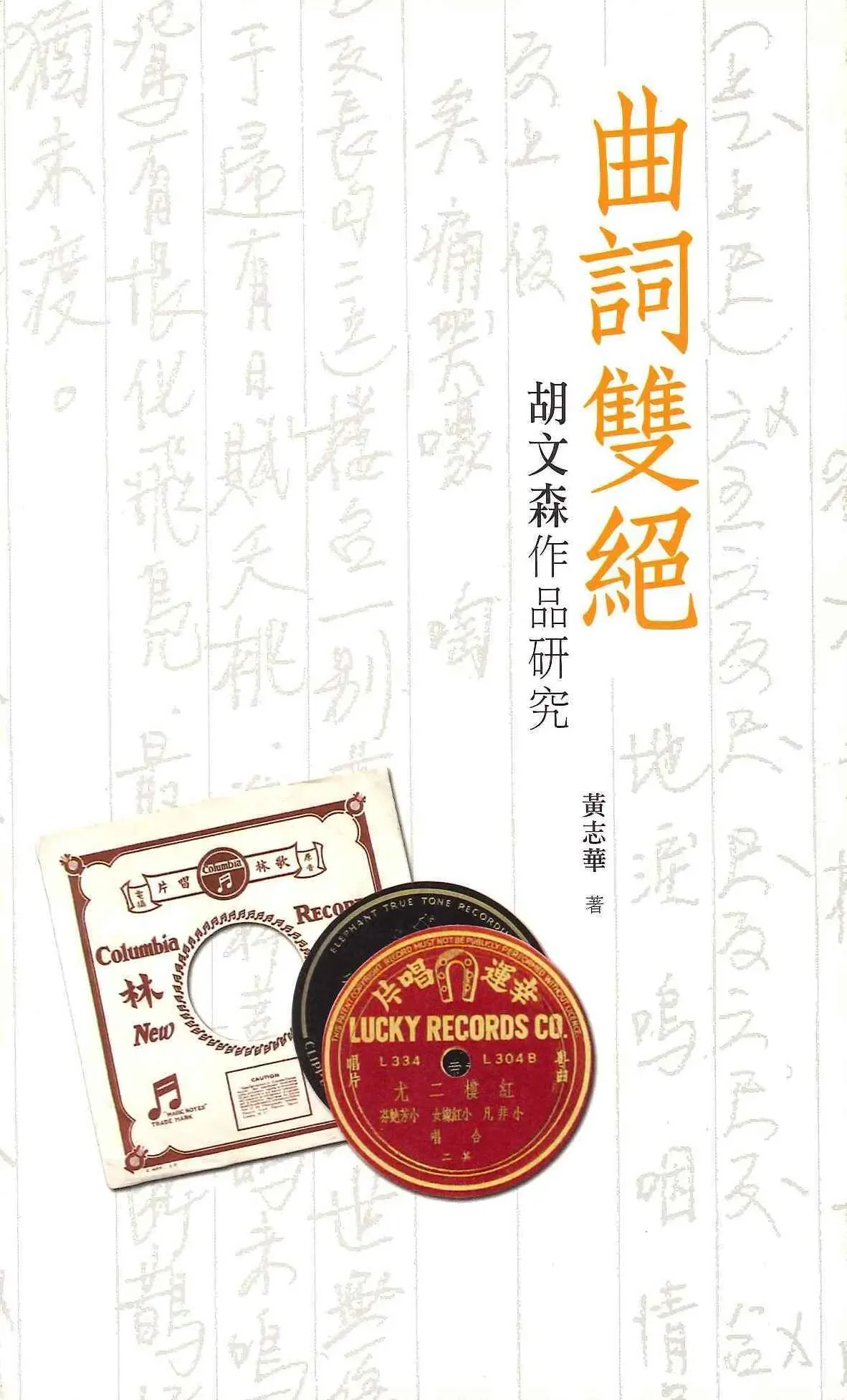
Image from My Book One
《曲詞雙絕:胡文森作品研究》
Master of Melodies and Lyrics: A Study of the Works of Wu Man Sam
黃志華 Wong Chi-wah (2008)
This monograph offers the first comprehensive study of Woo Man-sum, a prolific composer‑lyricist active from the 1930s to the 1960s and celebrated for his mastery of both melody and text. Through archival research, musical analysis, and close examination of manuscripts, the book traces Woo’s creative approaches across Cantonese opera, early Cantonese popular songs, and film music. It explores his melodic techniques, his use of Cantonese opera aesthetics, his incorporation of Western elements, and his wide‑ranging lyrical styles, from refined poetic expression to humorous popular verse.
本書是首部全面研究胡文森生平與作品的專書,梳理他於三十至六十年代在粵語歌壇的創作軌跡。作者透過手稿、唱片與文獻資料,探討胡文森在旋律與歌詞上的多樣風格,包括乙反調的獨特運用、粵曲樂感的營造、西方元素的吸收,以及從淒美到諧趣的不同詞風。書中亦分析其電影歌曲與粵曲作品的創作模式,並回顧他與多位藝人的合作,呈現其在粵曲與粵語流行曲過渡時期的重要地位。
Cantopop from the 1970s to the 2000s
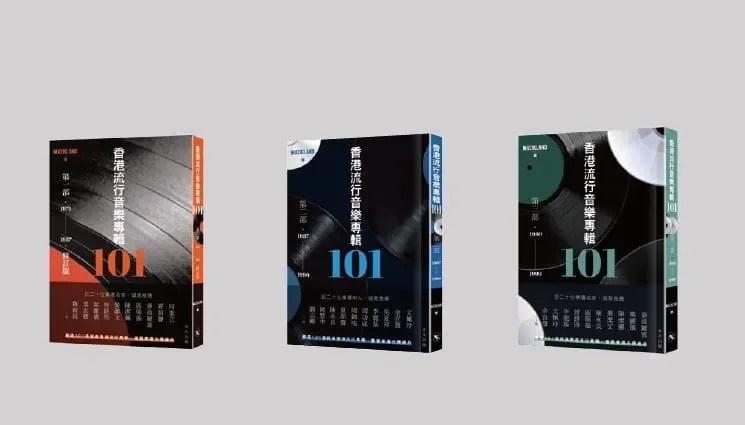
Image from Chung Hwa Book Store
《香港流行音樂專輯101》(三部曲套裝)
101 Essential Hong Kong Pop Albums
Muzikland (2020)
This trilogy selects 101 representative Hong Kong pop albums released between 1974 and the early 2000s. Combining album reviews, artist reflections, and producer interviews, it offers a panoramic view of Cantopop’s most influential decades.
作者從1974年至千禧年間挑選101張具代表性的香港流行音樂專輯,配合歌曲評論、歌手訪談及製作背景,帶領讀者重遊樂壇黃金年代。
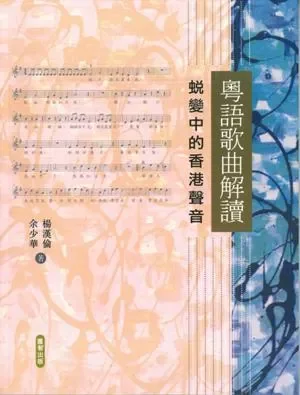
Image from Hong Kong Book City
《粵語歌曲解讀:蛻變中的香港聲音》
Reading Cantonese Songs: The Voice of Hong Kong through Vicissitudes
余少華 Yu Siu-wah, 楊漢倫 Yang Hanlun (2013)
Divided into historical overview, musical analysis, and case studies, this book examines twelve classic Cantopop songs from the 1970s to the 1990s, discussing their musical features and cultural significance in relation to Hong Kong society.
本書分為歷史回顧、音樂技術分析及個案研究三部分,透過十二首1970至1990年代的經典作品,探討粵語歌曲如何反映香港社會變遷與大眾心理。
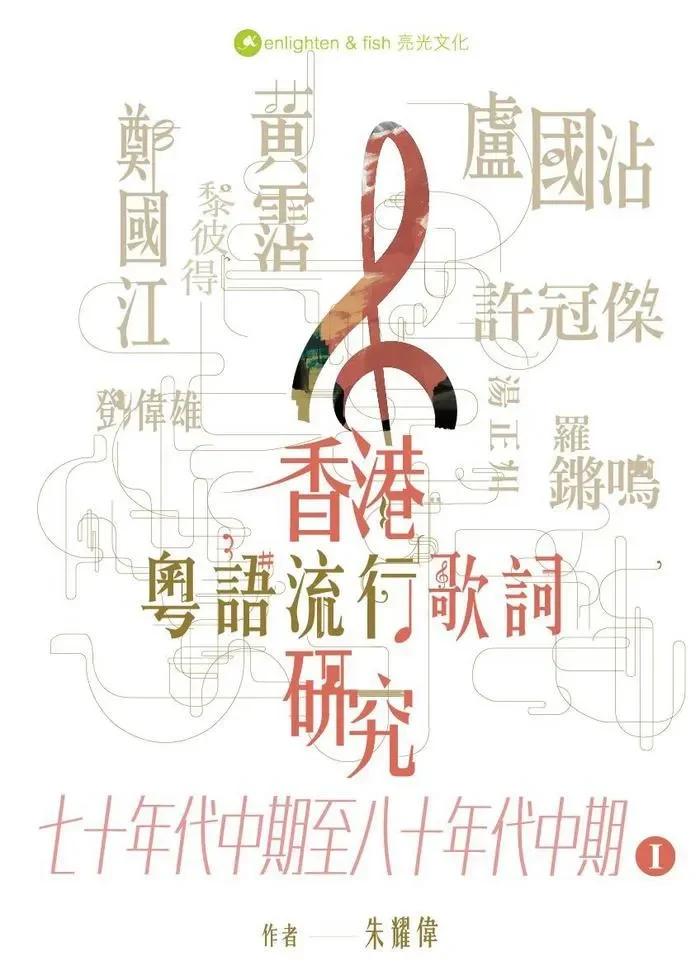
Image from My Book One
《香港粵語流行歌詞研究:七十年代中期至八十年代中期》
A Study of Hong Kong Cantopop Lyrics: Mid-1970s to Mid-1980s
朱耀偉 Stephen Yiu-wai Chu (2016)
Focusing on the formative period of Cantonese popular song lyrics in the mid-to-late 1970s, this book situates lyric writing within the expansion of television, the rise of Cantonese cinema, a booming record industry, and the emergence of a new star system. It examines the works of lyricists such as James Wong Jum Sum, Jimmy Lo Kwok-tsim, Cheng Kwok-kong, Sam Hui, and Peter Lai in relation to their historical context.
七十年代可說是香港流行歌詞的「奠基」時代。隨着香港電視普及,粵語電視劇主題曲獲得穩定的生產空間;粵語電影的興起亦推動粵語流行曲的發展;唱片市場蓬勃,新式歌星制度亦逐漸形成。朱耀偉教授圍繞七十年代中後期粵語歌詞的勃興,研究黃霑、盧國沾、鄭國江、許冠傑、黎彼得等詞人的作品,並將其置於具體的歷史與文化脈絡之中加以分析。
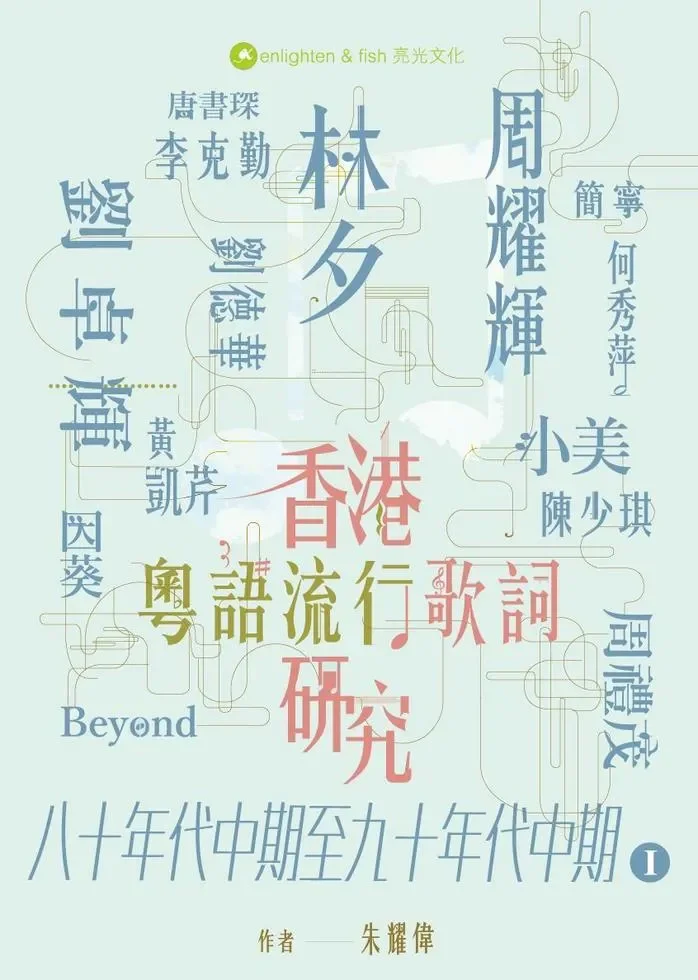
Image from My Book One
《香港粵語流行歌詞研究:八十年代中期至九十年代中期》
A Study of Hong Kong Cantopop Lyrics: Mid-1980s to Mid-1990s
朱耀偉 Stephen Yiu-wai Chu (2016)
This volume examines the close relationship between Cantonese popular song lyrics and Hong Kong popular culture from the mid-1980s to the mid-1990s. Divided into two parts, it analyses the diversification of lyric writing in the late 1980s and the new conditions of the 1990s, including the decline of band culture, the rise of karaoke, shifts in the recording industry, and changing lyrical language. While marked by increasing commercialisation, the period also saw new lyricists, independent labels, and alternative practices inject fresh energy into the field.
本書以八十年代中期至九十年代中期的粵語流行歌詞為研究核心,探討其與香港流行文化之間的緊密關係。全書分為上下兩部分:上編聚焦於八十年代後期詞壇的多元化發展,包括樂隊文化帶來的創作革新、新一代詞人的湧現,以及中文歌曲在主流媒體中獲得更大空間等現象;下編則轉向九十年代的新局面,分析樂隊文化式微、卡拉OK興起、唱片工業在龐大市場下的轉型,以及歌詞語言與題材的變化。儘管整體環境逐漸走向商業化,這段時期仍有新詞人、獨立廠牌與另類實踐為粵語流行曲注入新的活力。
Image from Anobii
《音樂敢言:香港「中文歌運動」研究》
A Study of the “Chinese Songs Campaign” in Hong Kong
朱耀偉 Stephen Yiu-wai Chu (2001)
This study examines Hong Kong’s “Chinese Song Movement,” initiated in 1988 when Commercial Radio 2 announced a new policy to broadcast only Chinese-language songs. Based on fifteen interviews with industry practitioners, the book analyses the movement’s background, development, and long-term impact, while critically reflecting on cultural policy, media intervention, and the protection of local popular music.
本書聚焦一九八八年商業電台第二台(即現今的叱咤903)推行的「中文歌運動」,分析其背景、發展與對香港樂壇的深遠影響。作者透過十五篇業內人士訪談,探討政策、媒體與文化保護之間的關係,並反思本地流行音樂在制度介入下的可能性與限制。
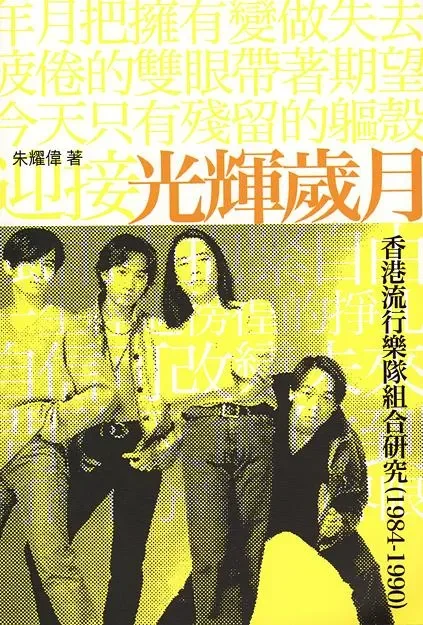
Image from eslite.com
《光輝歲月:香港流行樂隊組合研究(1984-1990)》
The Days of Glory: A Study of Hong Kong Popular Bands/Groups
朱耀偉 Stephen Yiu-wai Chu (2012)
Focusing on Hong Kong pop bands active between 1984 and 1990, this book examines the surge of band culture centred on Chinese-language songwriting in the mid-to-late 1980s. Divided into two parts, it documents band works and developmental histories, while also analysing the cultural phenomena reflected in these productions. Grounded in extensive archival data and cultural studies approaches, the book reconstructs a significant yet short-lived moment in Hong Kong popular music history.
本書以一九八四年至一九九〇年間的香港流行樂隊組合為研究對象,回顧八十年代中後期以創作中文歌曲為主的樂隊熱潮。全書分為內外兩編,內編系統整理香港流行樂隊組合的中文作品資料與發展概況,外編則分析這些作品及現象在當時香港流行音樂中的文化意義,透過紮實的史料與文化研究取向,重構香港樂壇一段重要而短暫的歷史。
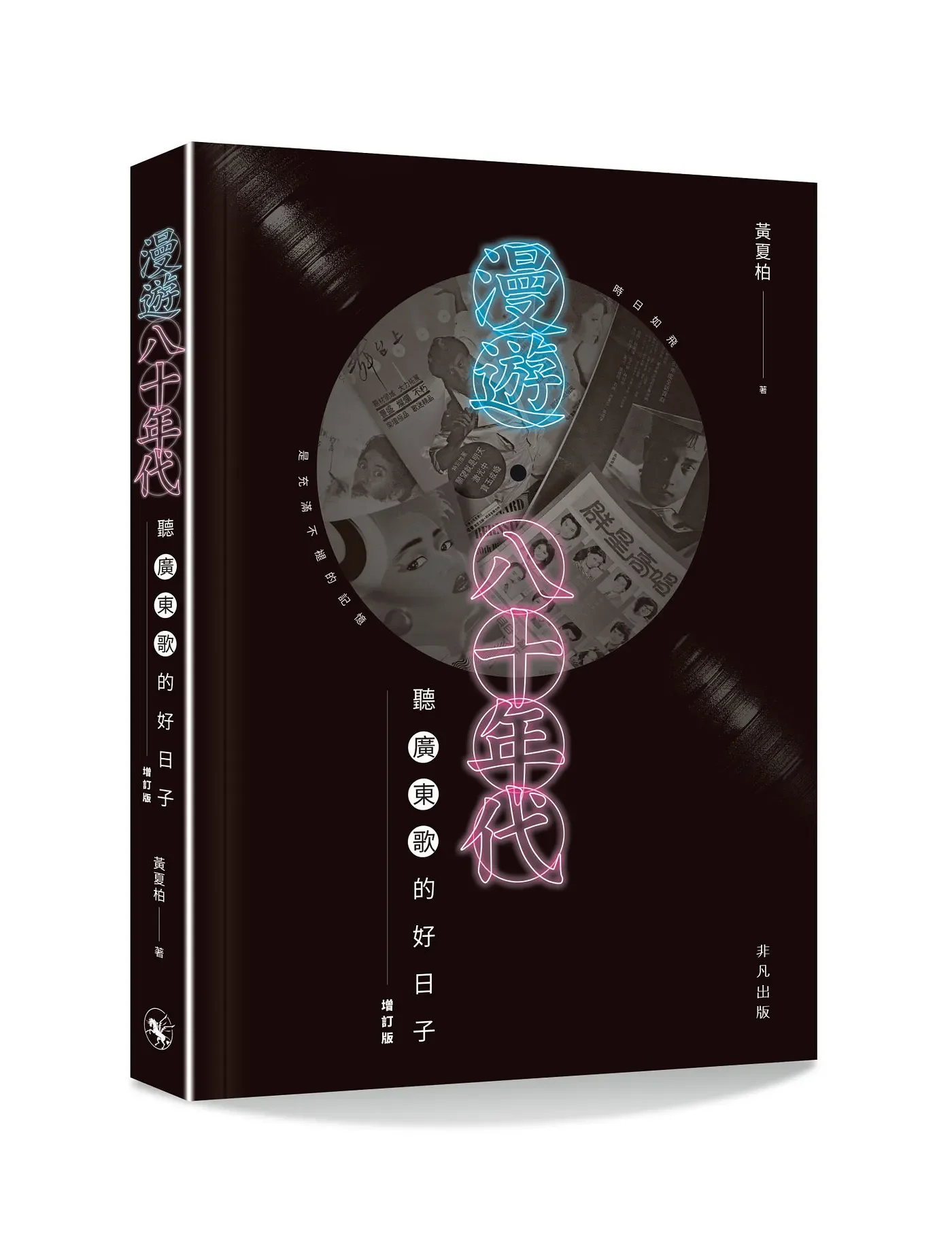
Image from My Book One
《漫遊八十年代:聽廣東歌的好日子》(增訂版)
Roaming Through the 1980s: The Good Days of Listening to Cantopop
黃夏柏 (2020)
The 1980s marked a formative decade for Hong Kong popular culture, during which Cantonese songs flourished after their gradual rise in the 1970s. Drawing on newspaper and magazine materials alongside personal listening experiences, the author traces changes in Hong Kong’s music scene, from the decline of English-language pop and the rise of Cantonese songs, to the popularity of television drama theme songs, the emergence of major stars such as Roman Tam, Leslie Cheung, and Anita Mui, the band boom, and the renewed influence of Taiwanese music toward the end of the decade.
八十年代是香港流行文化成形的關鍵十年。廣東歌自七十年代漸興,於八十年代開花結果。作者結合報刊雜誌素材與自身聆聽經驗和成長歷程,描寫該十年香港樂壇的起伏變化。從英語歌退潮、粵語歌興起說起,至電視劇主題曲大熱,天皇巨星如羅文、張國榮、梅艷芳先後閃亮登場,樂隊風雲湧至,及至台灣歌曲在1980年代末再度侵佔香港巿場等。記下香港樂壇的黃金年代。
Image from Anobii
《音樂敢言之二:香港「原創歌運動」研究》
A Study of the “Original Songs Campaign” in Hong Kong
朱耀偉 Stephen Yiu-wai Chu (2004)
This book is a sequel to A Study of the “Chinese Songs Campaign” in Hong Kong (2001) and examines the “Original Song Movement” launched by Commercial Radio Hong Kong in 1995. Introduced at a time when foreign‑language adaptations dominated the airwaves, the campaign marked a significant policy shift as the station announced it would no longer broadcast adapted songs. Drawing on ten interviews with local musicians, the book traces the movement’s background, development, and the diverse responses it generated within Hong Kong’s music scene.
本書為朱耀偉教授《音樂敢言:香港「中文歌運動」研究》(2001) 的續篇,聚焦一九九五年香港商業電台推動的「原創歌運動」。在外語改編歌曲長期流行的背景下,該運動宣布不再播放改編作品。作者透過十篇與本地音樂人的訪談,梳理「原創歌運動」的出現背景、發展過程及其在香港樂壇引起的不同回響。
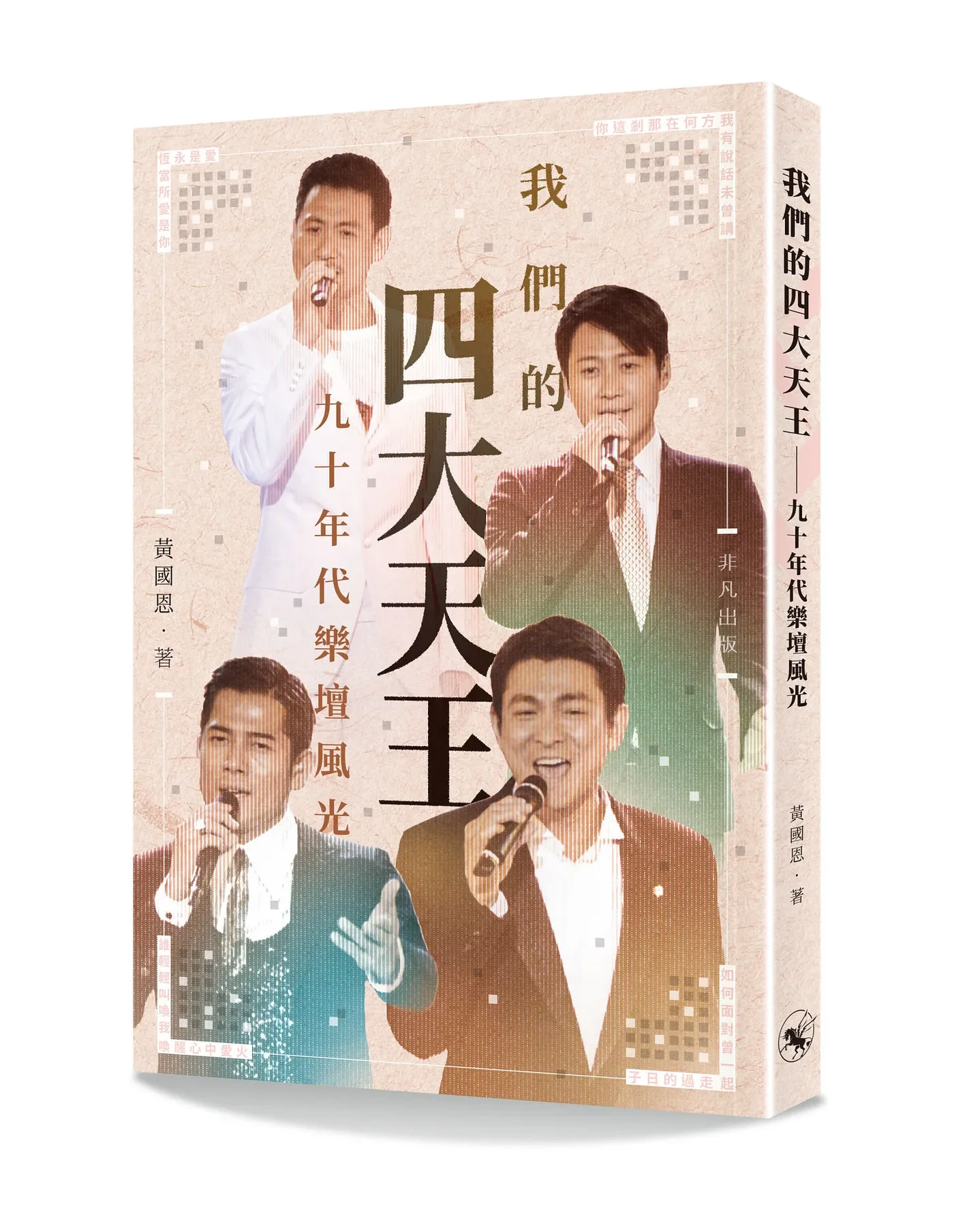
Image from My Book One
《我們的四大天王:九十年代樂壇風光》
Our Four Heavenly Kings: The Splendour of Hong Kong’s Music Scene in the 1990s
黃國恩 (2020)
Writing from the perspective of a record collector, the author revisits representative works by Jacky Cheung, Andy Lau, Leon Lai, and Aaron Kwok, recalling the prosperity of Hong Kong’s music scene in the 1990s and sharing personal reflections on changes within the industry.
「四大天王」──張學友、劉德華、黎明、郭富城,標誌着九十年代香港樂壇盛世。作者從唱片收藏家的角度,點評四人不同階段的代表作共68首,回顧他們的登頂歷程。回憶九十年代的風光之餘,也分享他對香港流行樂壇變化的一些體會。
Image from Open Page
《夜話港樂:林夕 X 黃偉文 X 樂壇眾星》
The Taste of Hong Kong Pop Music
何言 (2013)
This book offers an accessible portrait of Hong Kong pop through its most influential lyricists and performers. Moving from the creative worlds of Lin Xi and Wyman Wong to artists like Eason Chan, Faye Wong, and Miriam Yeung, it traces how their songs shaped the emotional landscape of Cantopop. Through lyrics, anecdotes, and behind‑the‑scenes stories, the book explores what gives Hong Kong pop its distinctive soul.
本書以林夕、黃偉文及多位重要歌手的創作歷程為線索,帶領讀者走進香港流行音樂的情感核心。從陳奕迅、王菲到楊千嬅、古巨基,作者透過歌詞與幕後故事,呈現港樂如何在華語樂壇獨樹一幟,並勾勒其獨特的文化氣質與精神面貌。
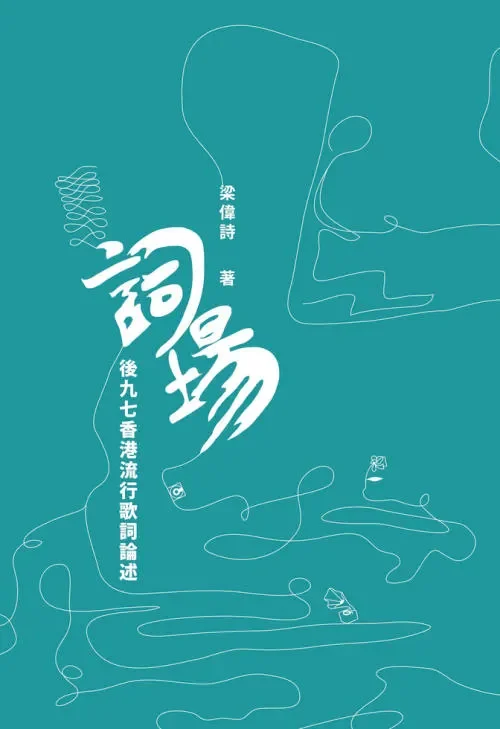
Image from My Book One
《詞場:後九七香港流行歌詞論述》
Lyric Fields: Post-1997 Hong Kong Cantopop Lyrics
梁偉詩 Leung Wai-sze (2016)
Focusing on the post-1997 period, this study analyses how Cantopop lyrics continue to negotiate identity, emotion, and everyday life amid political and cultural shifts.
香港粵語流行歌曲,一直展現著香港本土生活質量和精神面貌的豐富性,堪稱另類的香港本土文化載體。作者認為後九七香港粵語流行曲作為一種流行文化產物,在題材的寬廣度上、技藝上、細緻程度上,仍存在相當大的探索空間。透過1998到2014的作品賞析,追蹤香港粵語流行歌詞在1997後的成長足跡,探索它的傳奇。
Responding to the “Cantopop Is Dead” Narrative
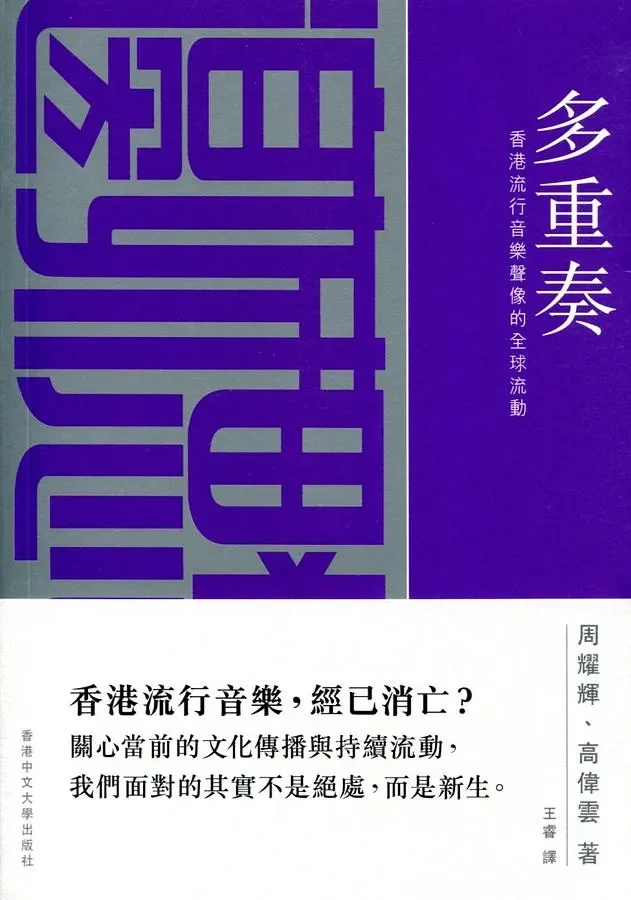
Image from eslite.com
《多重奏:香港流行音樂聲像的全球流動》
Sonic Multiplicities: Hong Kong Pop and the Global Circulation of Sound and Image
周耀輝 Chow Yiu-fai, 高偉雲 Jeroen de Kloet (2015)
This book is closely related to the authors’ English-language publication, Sonic Multiplicities: Hong Kong Pop and the Global Circulation of Sound and Image, which develops similar arguments for an international readership.
作者之一周耀輝為長期研究及實踐香港流行音樂的學者。兩位作者橫跨過去四十年的香港歷史,從歌詞書寫、視像製作、粉絲文化、唱片工業到表演場域等不同層面切入,細緻分析香港流行音樂在生產、消費與流通各環節中的運作機制。書中結合具體案例、集體記憶與作者自身的文化經驗,提出具說服力的論述,回應並反駁「粵語流行曲已死」的流行說法,同時將粵語流行曲與中國音樂重新置於全球化、中國化與重新國家化的交叉脈絡之中。
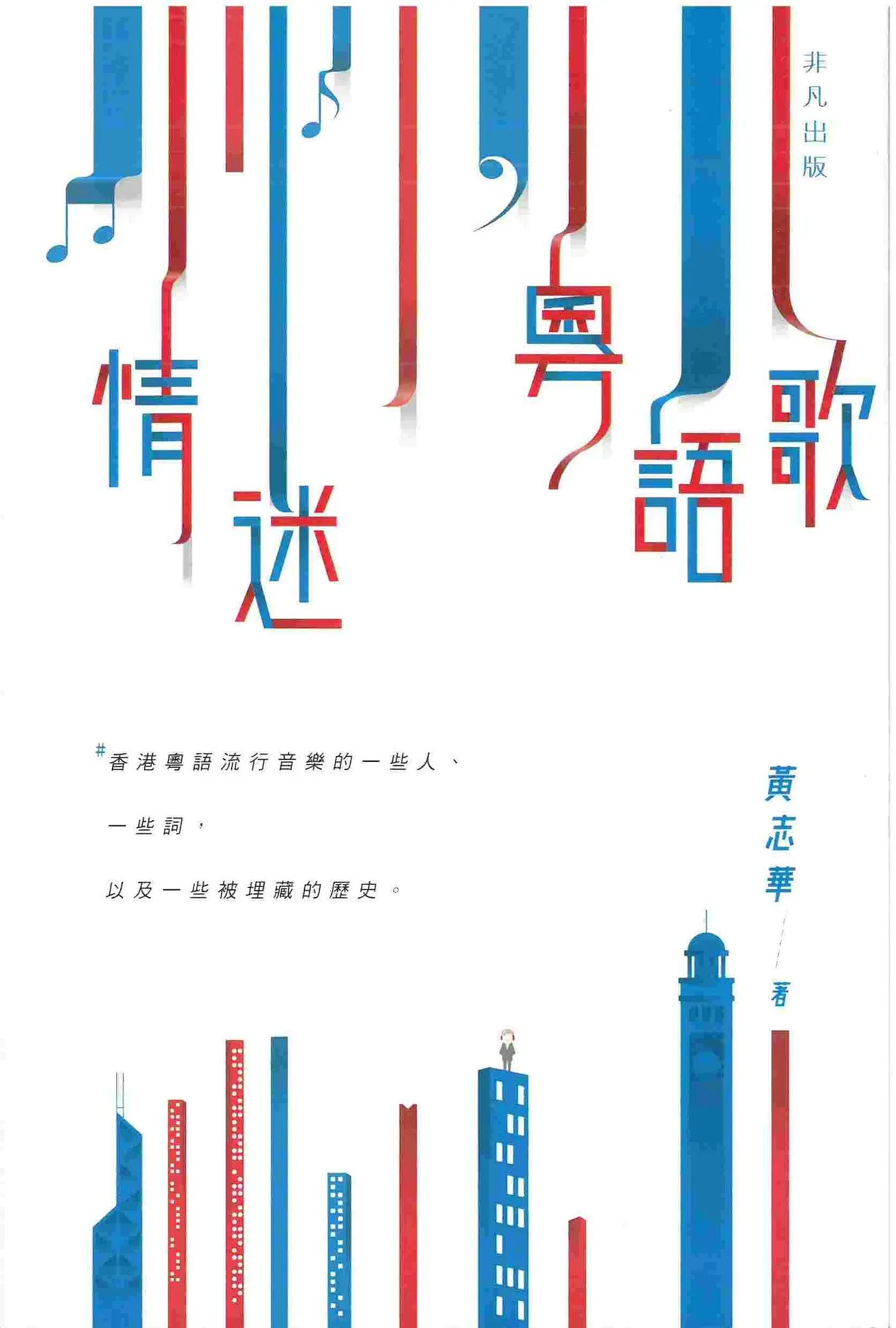
Image from Hong Kong Book City
《情迷粵語歌》
Enchanted by Cantonese Songs
黃志華 Wong Chi-wah (2018)
In response to recurring claims that Cantonese popular music is “already dead,” veteran music critic Wong Chi-wah revises and compiles lyric reviews written over the past decade, selecting songs old and new that merit renewed attention. Tracing Cantonese songs from the first wave of “Cantopop” in 1952 through the 1990s and into the post-2010 period, the book invites readers to revisit classics while appreciating newer works alongside them.
今天粵語流行曲暮氣沉沉,動輒就被定論為「已死」。資深樂評人黃志華選輯過去十年的詞評文章,加以修訂,為樂迷選出多首值得重新細意品賞的新舊廣東歌歌詞。透過從1952年首批「粵語時代曲」開始追溯,一路至九十年代甚至更後期2010年後的粵語歌。讓讀者在懷緬經典的同時,新舊並行賞析新時代的粵語歌曲。
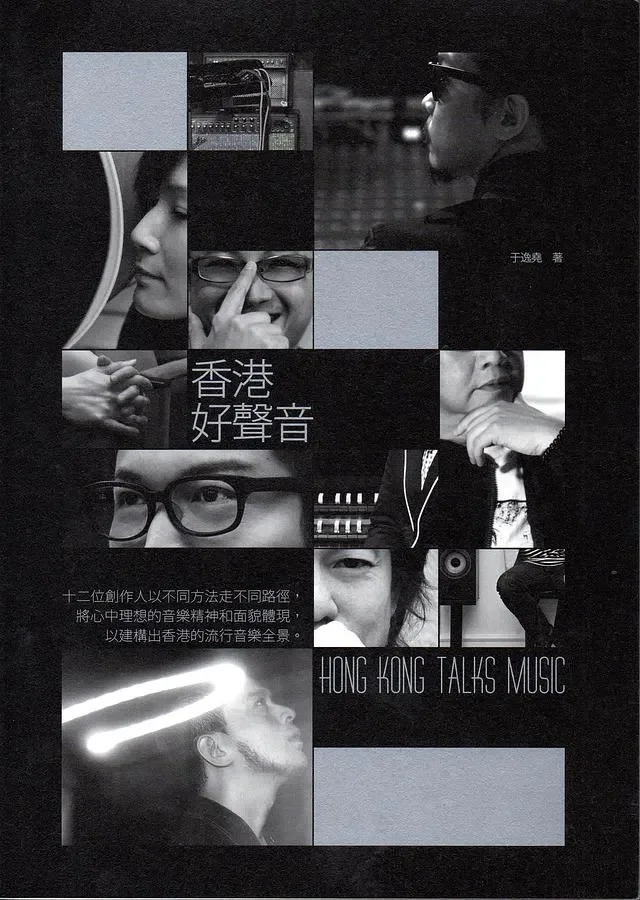
Image from eslite.com
《香港好聲音》
Sounds of Hong Kong
于逸堯 Yu Yat-yiu (2013)
Responding to pessimistic claims that “Hong Kong’s music scene is dead,” the author, writing as a musician, interviews eleven long-term collaborators. The book introduces a group of music workers who have continued to labour quietly in their respective roles, presenting an alternative and grounded portrait of Hong Kong’s music scene amid ongoing change.
回應「香港樂壇已死」的悲觀論調,作者以音樂人的身份,訪問十一位合作伙伴。介紹香港一班一直在默默耕耘,在各自的崗位上努力的音樂人。呈現香港樂壇在轉變中的另一種真實面貌。
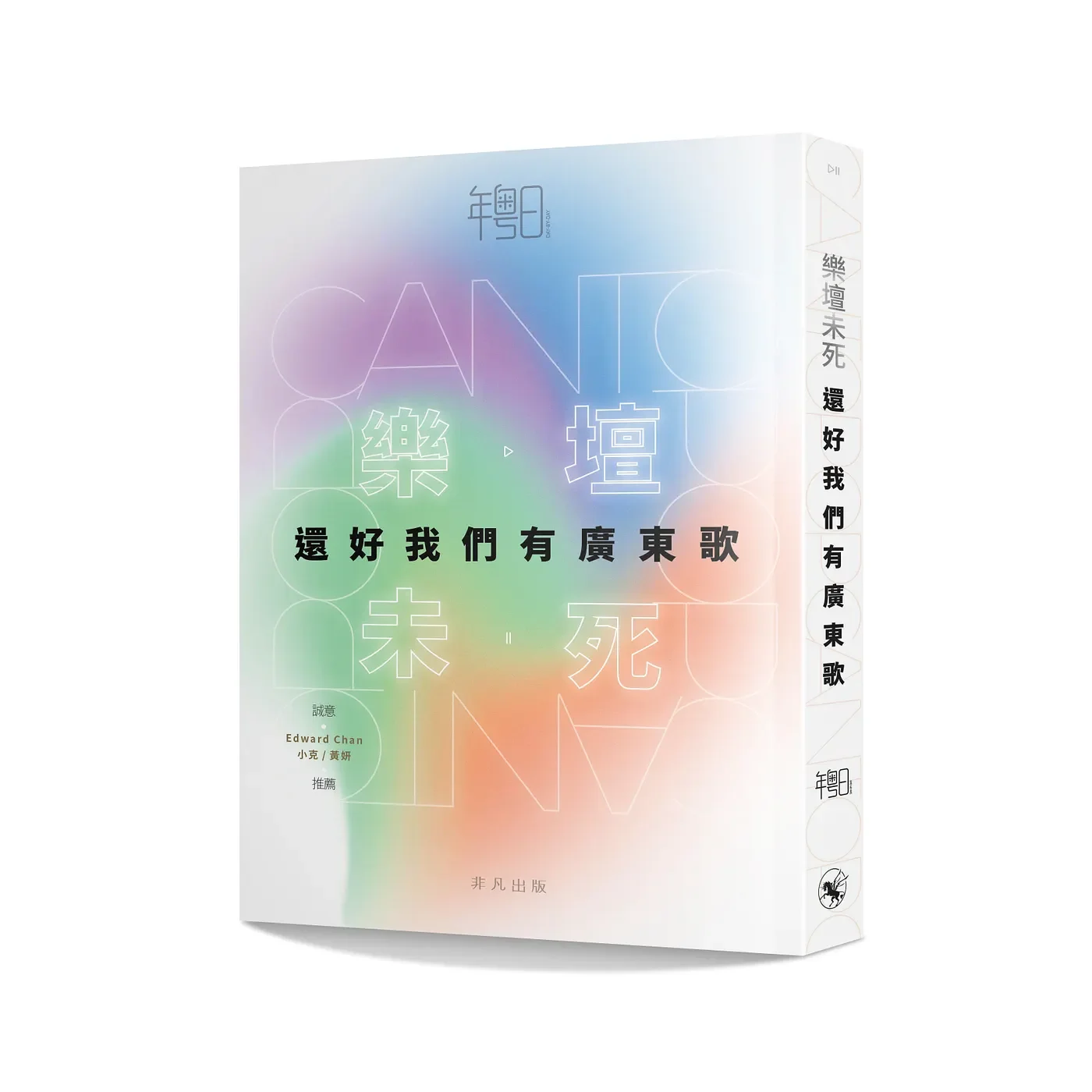
Image from Chung Hwa Book Store
《樂壇未死:還好我們有廣東歌》
The Music Scene Isn’t Dead: Thankfully, We Still Have Cantopop
年粵日 Day Day Cantonpop (2022)
Through the discussion of sixty songs by a new generation of Hong Kong artists, including MIRROR, Terence Lam, and MC Cheung, this book responds to claims that Cantonese pop has declined or “died.” It highlights the creative energy of emerging musicians and presents a portrait of Hong Kong’s music scene in the new century.
作者透過介紹六十首來自MIRROR、林家謙、張天賦等香港新生代歌手的歌曲,回應近年很多人說廣東歌式微,青黃不接、甚至「樂壇已死」的評價。呈現新世代音樂人的創作能量,講述香港樂壇新世紀。

Image from eslite.com
《給下一輪廣東歌盛世備忘錄:香港樂壇變奏》
A Memo for the Next Cantopop Renaissance: Variations in Hong Kong’s Music Scene
陳嘉銘 Chan Ka-ming, 吳子瑜 Ng Tsz Yu Billy, 海邊欄 (2022)
Focusing on Hong Kong’s music scene after 2010, this book documents developments from changing social conditions to shifts in listening practices. Moving from mainstream entertainers to independent artists, from creators to singer-songwriters, and from pandemic experiences to fandom culture, it records how Cantopop have been re-embraced as a collective memory of Hong Kong’s music scene in the new century.
三位作者記下了2010年後的香港樂壇。從社會背景開始,由大娛樂家至小眾歌手,由創作人至唱作人,由抗疫談到追星,很多人再次擁抱廣東歌與香港歌手,以此作為香港流行樂壇新世紀的備忘。
Transmission, Legacy, and the Future
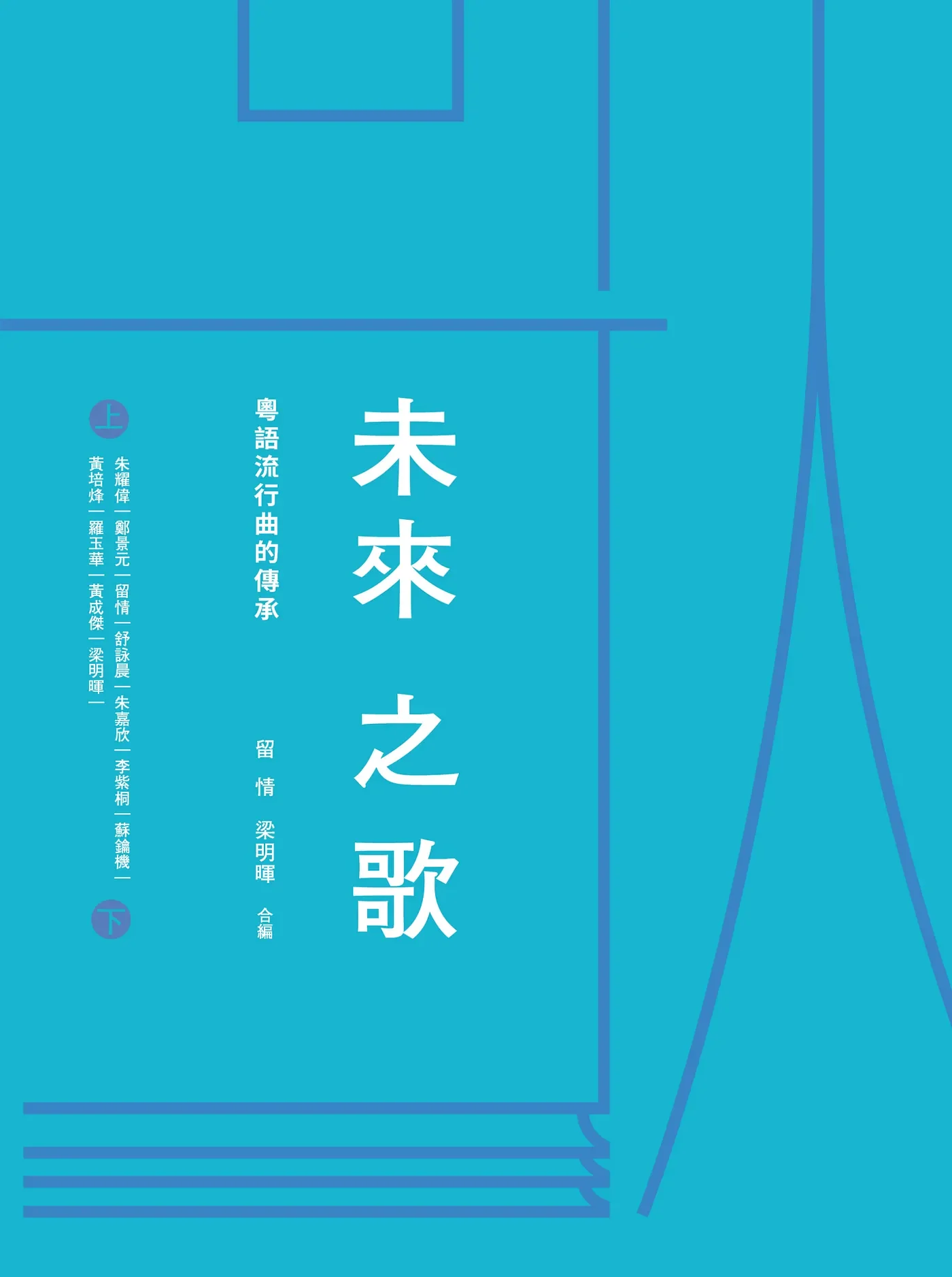
Image from Joint Publishing
《未來之歌:粵語流行曲的傳承》
Songs of the Future: Transmitting Cantopop
留情 Lau Cing, 梁明暉 LEUNG Ming Fai Maggie (2025)
Bringing together music fans and scholars from different generations, this book explores possibilities and methods for transmitting Cantonese popular music. The first section consists of reflections by fans actively engaged in sustaining Cantopop through personal practice and observation, while the second section adopts academic perspectives to examine expressions of Cantonese pop and the circulation of collective emotion within popular songs.
此書齊集不同年代的專家樂迷,分上下兩編探討傳承的各種可能及方法。上編由各個活躍於實踐粵語流行曲傳承的樂迷撰寫,通過親身經驗及觀察指出現今推動傳承中的機遇及挑戰。下編從學術角度檢視粵語流行歌的各種表達和現象,分析流行歌中集體情感的流動和結構。
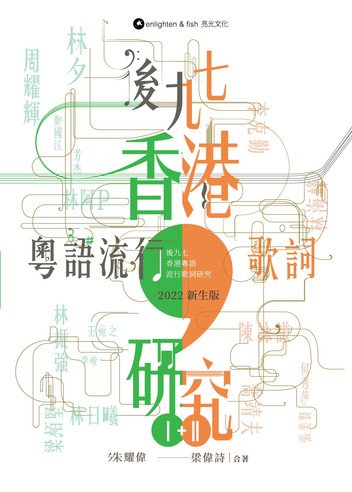
Image from Kobo
《後九七香港粵語流行歌詞研究》
(新生版 I & II)
A Study of Post-1997 Hong Kong Cantopop Lyrics
朱耀偉 Stephen Yiu-wai Chu, 梁偉詩 Wai-Sze Leung (2022)
This book is a sequel to A Study of Hong Kong Cantopop Lyrics: Mid-1970s to Mid-1980s (2016). Tracing changes in Cantonese popular song lyrics before and after 1997, the author argues that rather than clinging to past models, the genre should be understood through its ongoing transformations. The book outlines developments from 2015 onwards, highlighting the emergence of Mirror and a new generation of artists who have reinvigorated Hong Kong’s music scene.
本書是作者之一朱耀偉2016年出版的《香港流行歌詞研究:七十年代中期至九十年代中期》續篇。作者認為與其留戀往日奢求用既有模式複製舊光輝,何不展望明天以無邊想像開啟新秩序。透過追蹤1997年前後香港粵語流行歌詞的變化軌跡,簡單論述由2015年至今的粵語流行曲的傳承,特別是近年Mirror及一眾新人冒起令香港流行樂壇重現活力。
This list is, inevitably, incomplete. It reflects my own encounters, questions, and frustrations as a reader moving between languages, generations, and audiences. Cantopop has never been static; it has always absorbed, resisted, and reinvented itself.
Perhaps the task today is not to decide whether Cantopop is “dead,” but to ask who is still listening, who is still writing, and in what languages these stories are allowed to circulate.
Where available, official English titles are used as glosses. In cases where both Chinese and English versions exist, the books are treated as part of the same intellectual project rather than as direct translations.
Most English titles for Chinese-language publications are adapted with reference to Hong Kong Cantopop: A Concise History by Stephen Yiu-wai Chu, as well as biographical and bibliographic information provided on relevant university websites and institutional pages of the scholars concerned.